
Continued from “BILLY” DURANT: THE MAN WHO BUILT GENERAL MOTORS, LOST IT, THEN TOOK IT BACK AGAIN – PART ONE.
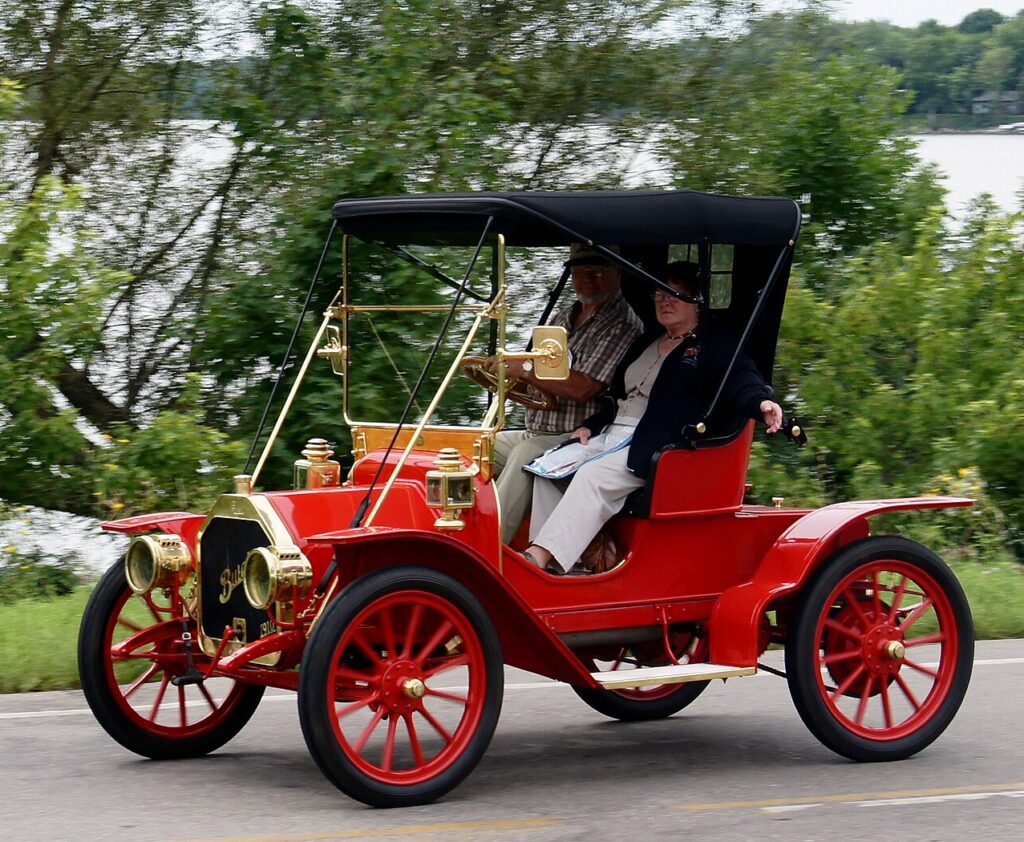
In 1910, when Durant had been in charge, General Motors had been poised for dominance of the automobile market with models offered in every price range. General Motors had held 21% of the new car market. Nash and the bankers – reflecting the conventionally conservative opinion that profit came from selling more expensive automobiles – had dropped the lowest priced Buick from the model line. Durant and Chevrolet would take advantage of that decision. At the same time, Nash eliminated unprofitable subsidiaries. He cut salaries and costs.
Nash was doing what the bankers wanted – making their collateral more secure. Also, the banks had invested on behalf of some of their best customers in General Motors Voting Trust Certificates (which were traded on the New York Stock Exchange in the same manner as stock certificates). So, improving the value of these certificates served the interest of those bank customers.
It is likely Durant understood the steps Nash was taking to organize and rationalize the subsidiaries Durant had assembled into General Motors. Creation of a vertically integrated automobile manufacturer is step one. The next step is making these pieces work together efficiently. Durant did step one. Nash was doing step two.
However, Nash was not growing the company. By 1915, General Motors held only 8.5% of the new car market as that market expanded and the Model T achieved massive sales success. This was stagnating in a burgeoning market.
Nash had none of Durant’s vision of the future of the automobile. His fundamental focus was on protecting payment of the $15 million loan. After that was paid, he focused upon accumulating a cash surplus. The company hoarded its profits as the stock price climbed ever higher – ultimately reaching $585 per share in 1915 as the cash surplus reached $23 million. The high share price reflected these retained earnings more than the company’s prospects.
But Charles W. Nash made a mistake.
He paid no dividends.
Shareholders expect a profitable company to pay dividends. Increased share price of a stock is mere paper profit until the stock is sold. A stock, however, is supposed to be an investment, a contribution to the company’s capital in return for which the shareholder expects to receive a regular payment of a share of the company’s profits.
Nash was ignoring most of the holders of General Motors stock because the voting trust deprived them of any say in company managements. He did not have to consider the interests of the true owners of the company – and he didn’t.
As mentioned above, Durant owned a large block of General Motors stock when forced out in 1910. As the stock market had considered General Motors to be in parlous financial condition at that time, the Voting Trust Certificates for its shares traded at low prices while the company’s financial position improved. Durant took advantage of the low price to increase his General Motors holdings. Beginning in 1912 and continuing into late 1914, he used profits from Little and then from Chevrolet to purchase more General Motors Voting Trust Certificates.
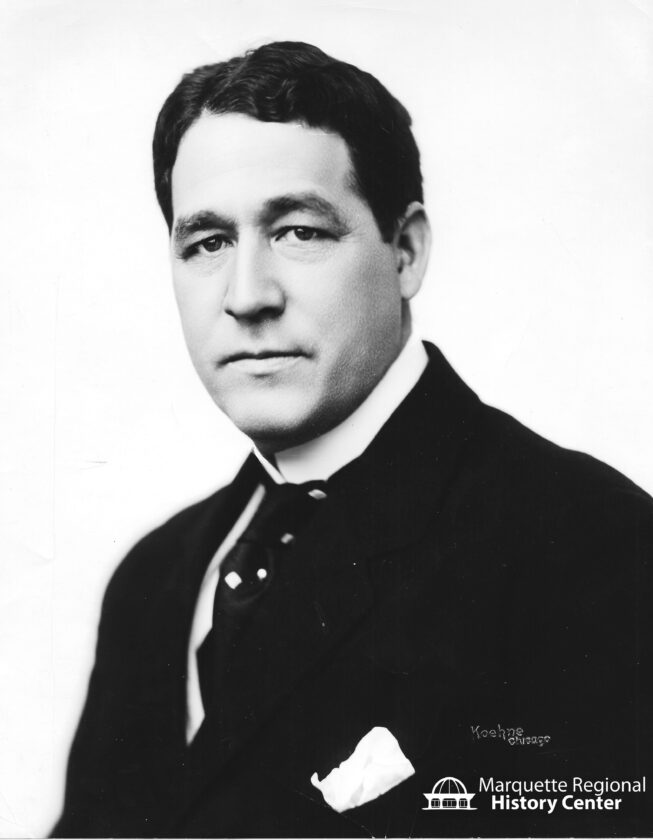
In this, he also had allies. One was Louis G. Kaufman, president of a large New York City bank. Kaufman had the bank purchase large blocks of General Motors Stock. Another was Robert S. McLaughlin of Canada, who was still an important customer of Buick for engines. Perhaps the most consequential ally was Pierre S. DuPont. The DuPont fortune was based on gunpowder and explosives. But they were also in the automotive paint business – and being able to secure both Chevrolet and General Motors as customers would be a massive boost to that business. DuPont not only bought General Motors Voting Trust Certificates, but he also organized a private syndicate of investors to purchase additional large blocks.
Nash’s refusal to pay dividends angered stockholders that were not customers of the controlling banks – the people than owned ten or twenty or one hundred General Motors Voting Trust Certificates and would again be able to vote their shares on October 1, 1915.
Consequently, these shareholders were easy to persuade when approached by Durant and his allies and asked to provide a proxy for their shares in favor of Durant. A proxy is a shareholder’s delegation of voting rights to another. It does not deprive the shareholder of ownership. It merely says that the person designated in the proxy can vote the shares. Durant acquired proxies that stated that, effective October 1, 1915, the shareholder designated William C. Durant as his proxy to vote the shares.
As Durant and his allies bought, the price of General Motors Voting Trust Certificates rose.
This should have been an unmistakable warning to Nash and the banks that someone was trying to corner the market in General Motors stock. With the trust to expire on October 1st, the obvious implication from the continuing increase in price of Voting Trust Certificates to such high levels – $585 a share is equivalent to almost $20,000 a share today – was that someone was aiming to take control of the company.
Yet, they didn’t see it until August of 1915.
In an exercise of remarkable corporate narcissism, Nash and the General Motors board assumed the high stock price was a good thing, reflecting Nash’s outstanding management, and considered the price increase a natural market response to Nash’s success. Ironically, in this they were lulled into complacency because Durant’s original prediction of annual automobile sales of 500,000 had proved correct. To them, it seemed only natural that the price of General Motors shares should reflect the rapidly increasing overall automobile market.
The banks and Nash were completely unaware that Durant had been accumulating General Motors shares since 1912. As they saw it, there were many individual shareholders of General Motors, but they were a fragmented group with no organized voice. The banks had the backing of those institutional investors that were. They believed they could control the vote with these shares.
So, in August of 1915, in anticipation of soliciting shareholders to renew the voting trust, the board began inspecting the corporation’s transfer books – the records of who owned shares of General Motors stock. They were stunned to discover that a substantial number of General Motors shares had been accumulated by one syndicate. This was the syndicate that Mr. DuPont had formed. Even as the board realized they had an adversary, they still did not fully understand the weakness of their position.
But they knew they had to defend that position, so they crafted a plan – a “hail Mary” effort to retain control by buying their way into continued control of the company using its own cash. They offered stockholders a $50.00 per share dividend conditioned upon the shareholders granting them a proxy to vote the shares in favor of continuing the voting trust, this time as a voluntary voting trust. They argued that their management since taking over in 1910 had led to company success and that a continued voting trust was the only way to assure that the company would continue to benefit from such good management.
The General Motors board of directors scheduled a meeting of shareholders and of the board itself for September 16, 1915. They still expected to perpetuate the banks’ power by renewing the voting trust for another three years, this time without any loan to justify it or to provide leverage to force shareholder compliance. The banks had their representatives in attendance. Some of their clients holding large blocks of General Motors shares also attended.
Accounts of the meeting differ but are identical in the essence.
When Durant arrived, Nash asked for a word with him. “Now, Mr. Durant, a majority of the board has agreed to renew the agreement. So, let’s not have any trouble.” Durant replied, “There won’t be any trouble, Charlie. We won’t renew the agreement, but there won’t be any trouble. It just so happens that I control General Motors.”
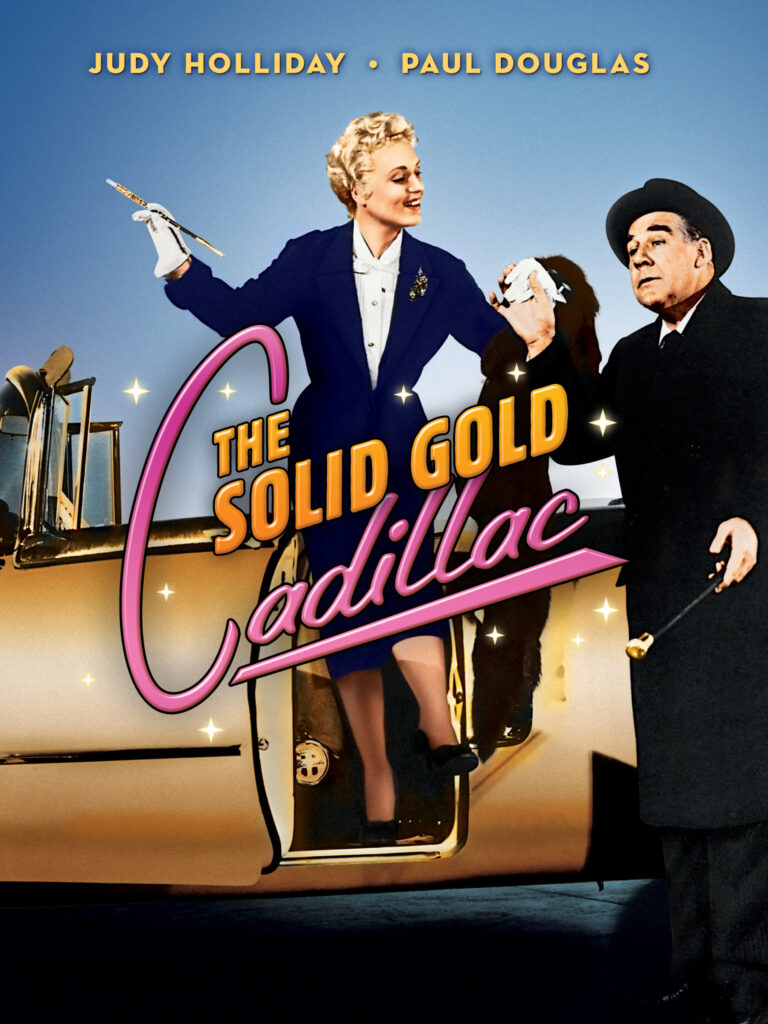
According to the New York Times account, Durant walked up to the boardroom table, slapped a pile of stock certificates and proxies on it, and announced, “Gentlemen, I now control this company.” Other versions, in a scene that undoubtedly inspired the dramatic end of The Solid Gold Cadillac – a Broadway hit play and movie in the 1950’s – had Durant bringing in certificates and proxies in bushel baskets. (In the movie and play, similarly, the former company president regains control with proxies in bushel baskets, thereby ousting the corrupt management.)
However, it happened, it stymied renewing the voting trust. The banks didn’t have the votes. Durant did.
Durant had been bold in his claim to controlling the company. The board could not be sure how many shares he controlled, but it was obvious that he wasn’t bluffing. Durant did not yet control 51% of outstanding General Motors shares. He did have almost 40%, and the holdings of the banks and their institutional investors were undoubtedly less.
To be continued in “BILLY” DURANT: THE MAN WHO BUILT GENERAL MOTORS, LOST IT, THEN TOOK IT BACK AGAIN – PART THREE
If you haven’t already, please subscribe to be automatically notified when we post in Part Three the conclusion to the story of “Billy” Durant reclaiming control of General Motors.